


Surprisingly, heart disease continues to be the leading cause of death for both men and women in the US,1even though we’ve learned so much about risk factors and both lifestyle and pharmaceutical management.
Heart disease, or more broadly, cardiovascular disease, encompasses several conditions that affect the heart muscle and/or the blood vessels that circulate blood throughout the body.
Cardio = heart
Vascular = blood vessels
Blood delivers oxygen, nutrients, and immune cells and removes waste products that would otherwise be toxic.
Every cell in your body depends on adequate blood flow to survive.
In that sense, taking care of your cardiovascular health is taking care of your whole body's health.
Definitions:
The most common cardiovascular diseases include:
Heart Attack: Sudden blockage of blood flow to the heart muscle.
Stroke: A blocked or ruptured blood vessel in the brain.
Coronary Artery Disease (CAD): Narrowing of arteries caused by the buildup of plaque (atherosclerosis).
Heart Failure: Weakened heart muscle, which includes symptoms such as fluid accumulation (edema), fatigue, & shortness of breath.
Peripheral artery disease (PAD): Narrowing of arteries and decreased circulation in the arms and legs.
Arrhythmias: The heart beats too fast, too slow, or irregularly; Atrial Fibrillation (AFib) is the most common.
Risk Factors:
Cardiovascular disease risk factors include both non-modifiable and modifiable.
Non-Modifiable Risk Factors (Things we can’t change, but are important to be aware of):
Age — Risk increases with age.
Sex at birth — Men are at an increased risk earlier in life, and women are at increased risk postmenopause.
Genetics / Family history — Especially for early heart disease in close relatives.
Modifiable Risk Factors (Things we can change):
Smoking — Injures blood vessels, increases blood pressure, & increases risk of atherosclerosis.
Nutrient intake — Excess salt, sugar, & unhealthy fats increase blood pressure, cholesterol, & inflammation that promotes atherosclerosis.
Alcohol — Excessive intake raises blood pressure.
Inactivity — Reduces blood circulation & weakens the heart muscle.
Sleep — Poor sleep quantity & quality increases blood pressure, blood sugar, & inflammation.
Stress — Chronic stress increases blood pressure & inflammation.

Evaluating Your Risk
Knowing where you stand on the following markers of heart health can help you prioritize lifestyle changes, monitor if interventions are effective, and help guide discussions with your healthcare team about the need for any medical management of your risk.
The following cardiovascular disease risk factors include the 2026 American Heart Association (AHA) & American College of Cardiology (ACC) updated cholesterol guidelines. You can read more about the 2026 guidelines here and listen to an overview here.
Goal Blood Pressure (BP): <120/80 mmHg — Chronically elevated blood pressure damages blood vessels throughout your body (heart, brain, kidneys, eyes, etc.).
Follow these tips to ensure you are getting an accurate blood pressure reading at home or in the doctor’s office.
Goal Resting Heart Rate (RHR): <80 bpm — A higher resting heart rate strains the heart muscle over time, increasing blood pressure and increasing the risk of cardiovascular disease.
Here is a step-by-step guide to measuring your resting heart rate.
Cholesterol is carried through the blood by lipoproteins (such as LDL and HDL). It is essential for building cell membranes and hormones, but elevated levels of certain types of lipoproteins can contribute to plaque buildup in arteries.
While total cholesterol was initially thought to be a good marker for cardiovascular disease risk, we now know that different types of cholesterol provide a more nuanced assessment, with goal levels based on overall risk as calculated by the PREVENT™ online calculator:
Goal Fasting LDL-Cholesterol:2 Less than 55mg/dL to less than 90 mg/dL.
Goal Fasting Non-HDL-Cholesterol:3 Less than 85mg/dL to less than 100 mg/dL.
Goal Fasting HDL-Cholesterol:4 Greater than 60 mg/dL.
Goal Fasting Apolipoprotein B (ApoB):5 Less than 55mg/dL to less than 90 mg/dL.
ApoB is a protein found on all plaque-forming lipoproteins, providing a better indicator of cardiovascular disease risk than LDL-C alone.
Goal Lipoprotein(a) (Lp(a)):6 Less than 125 nmol/L or less than 50mg/dL.
Lp(a) is a genetically determined type of LDL with an extra protein attached that is an independent risk factor for cardiovascular disease. New guidelines recommend that everyone should have this tested at least once in their life.
Goal Fasting Triglycerides (TG): Less than 100 mg/dL
Elevated triglycerides contribute to plaque formation.
Goal Fasting Blood Glucose (FBG): Less than 90 mg/dL
Chronically high blood glucose (aka “blood sugar”) damages the lining of blood vessels, resulting in inflammation that supports plaque formation and accumulation.
Goal Hemoglobin A1c (HbA1c): Less than 5.4 %
A marker of long-term (~3 months) blood sugar levels.
Goal Fasting Insulin: Less than 5 µIU/mL
Released by the pancreas in response to rising blood sugar levels; high fasting insulin is an early marker of poor blood sugar management, even if blood sugar levels are at goal.
Goal Homocysteine (Hcy): Less than 9-10 µmol/L, based on age.
Elevated levels damage blood vessels and increase risk for plaque formation and blood clots.
Body Composition — Excess body fat, especially in the midsection (visceral fat), increases blood pressure, cholesterol, blood sugar, and inflammation.
Although total body weight and Body Mass Index (BMI) reflect overall body weight, they do not account for the distribution of fat throughout the body.
Assessment of visceral fat provides a more accurate indicator of cardiovascular disease risk:
Goal Waist Circumference: Men <40”, Women <35”
Use this guide to accurately measure your waist circumference at home.
Goal Waist-to-Hip Ratio: Men <0.90, Women <0.85
Heart-Healthy Living
The American Heart Association has put together a list of eight lifestyle factors that contribute to cardiovascular health, including nutrition, sleep, exercise, not smoking, and managing cholesterol, blood pressure, blood sugar, and more.
Be sure to check out my health guides on , sleep, and the Insight into Health framework.
A Note on Heart-Healthy Eating
Heart-healthy eating centers on a Mediterranean-style pattern, rich in vegetables, fruits, whole grains, legumes, nuts, seeds, and healthy fats.
Learn much more about eating for your body, brain, and heart health in my nutrition health guide.
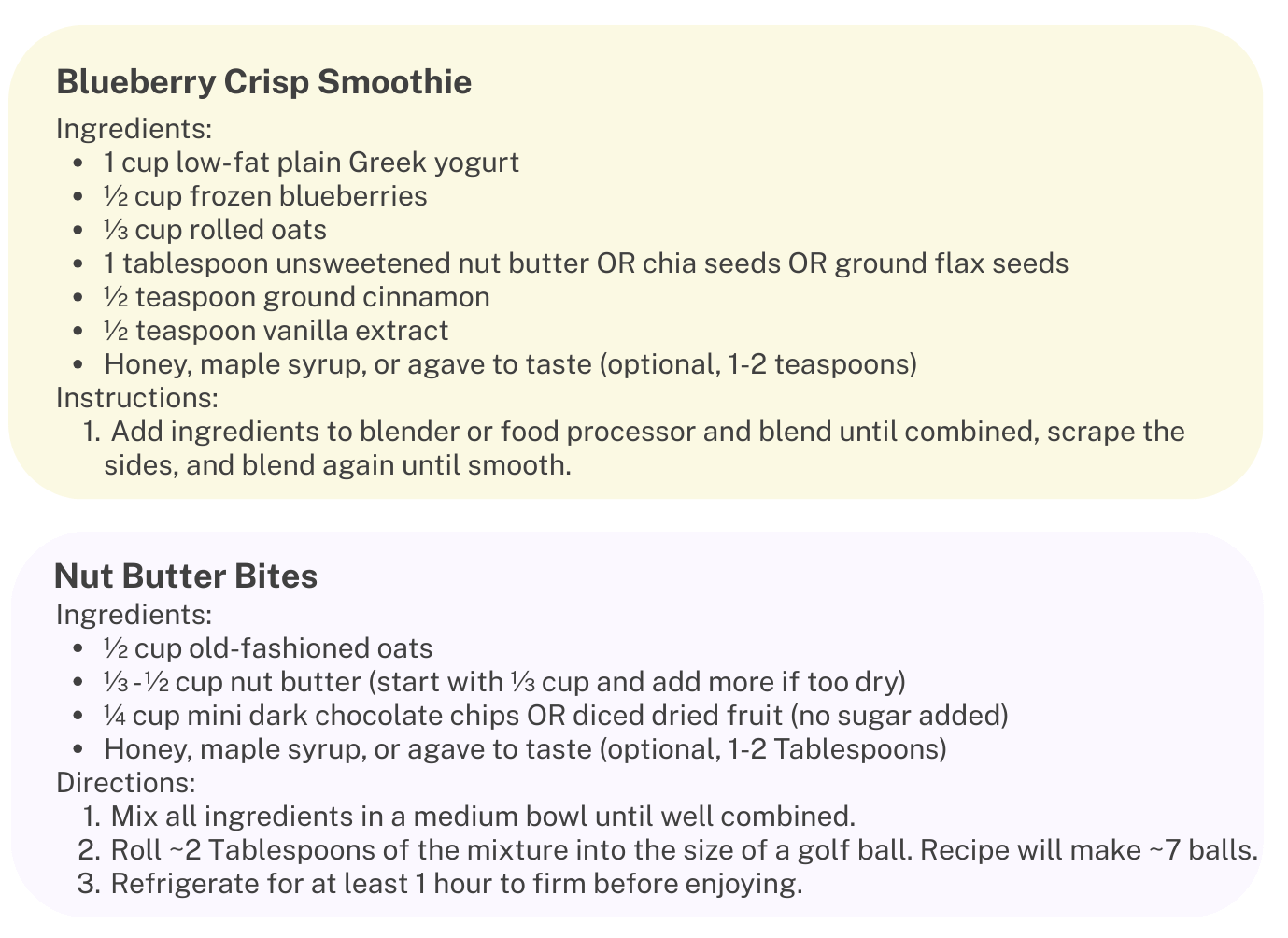
Oats are one heart-healthy food to highlight. Oats contain beta-glucan, a soluble fiber that has been found to lower LDL-C levels while also supporting stable blood sugar levels and reducing inflammation.
A couple of my favorite oat recipes to get you started6:
While food and beverage choices strongly influence overall cardiovascular health, it is important to understand that cholesterol levels, including LDL-C, ApoB, & Lp(a), are largely genetically determined.
This doesn’t mean, however, that what you eat doesn’t matter for your heart. Instead, it is important to recognize that some people may do everything they can to lower their cholesterol levels through lifestyle changes and still may need a little help from medications.
What heart health questions do you have?
Thanks for being here,
~Allison
Please remember that this information is meant to educate and inspire but is not medical advice - please consult your healthcare team to determine what is most appropriate for you.
Some basic biochemistry for those who are interested:
A lipoprotein is a package that carries fatty cholesterol in the blood (since water and fat don’t mix). The most commonly discussed lipoproteins are Low-Density Lipoprotein (LDL) and High-Density Lipoprotein (HDL).
An important clarification: Even though most medical professionals refer to the numbers on typical lab tests as “LDL” and “HDL,” these refer to the number of LDL or HDL packages.
The cholesterol tests that you’ve likely completed report the amount of cholesterol inside the LDL package, which is more accurately referred to as LDL-Cholesterol (LDL-C).nThe importance of this difference will become clearer as you read on to footnote #5.
LDL-C is not the only type of cholesterol that increases the risk of cardiovascular disease. Non-HDL-C better captures all harmful types of cholesterol and may be a better reflection of cardiovascular disease risk.
HDL-C may be associated with a lower risk of cardiovascular disease because it indicates cholesterol being carried away from arteries back to the liver.
ApoB is like an AirTag for how many dangerous cholesterol packages are circulating (vs. non-HDL-C, which is how much dangerous cholesterol is being carried). Since the more particles that are present = more chances to accumulate on artery walls, ApoB is a better direct risk marker of cardiovascular disease risk.