

Welcome to Insight into Health, my radio show on listener-supported KSVY 91.3, where I explore ways to make healthy living realistic, enjoyable, and sustainable. I am your host, Allison McKeany, and these are the show notes for the live radio show that aired on December 15th, 2025.
Listen to the episode:
Beyond the What: Microbiome Matters
What is the microbiome? Why does it matter? And how can you support yours?
The microbiome is the collection of microorganisms (microbes, for short)—mainly bacteria—that live throughout the body.
Each of us has a unique skin microbiome, a mouth microbiome, and even a lung microbiome. But the “gut” microbiome is the largest of them all.
The trillions of microbes living in your colon aid in digestion, brain function, metabolism, and immune function.
Let’s look into the connection between the microbiome and the immune system:
Roughly 70% of your immune cells live along your digestive system wall, interacting with what passes through to determine what is safe versus what is dangerous.
A healthy microbiome helps the immune system react when it counts, so you aren’t overly susceptible to infection, but not overly active, which can lead to allergies and autoimmune diseases.
A healthy microbiome requires both prebiotics and probiotics:
Prebiotics are food for your microbiome.
Specifically, fiber from fruits, vegetables, beans, lentils, and grains.
While especially good prebiotics include onions, garlic, oats, beans, and asparagus, simply increasing overall fiber intake is the best way to support your microbiome.
Probiotics contain beneficial bacteria that support your microbiome.
Probiotics are found in both cultured and fermented foods as well as supplements:
Cultured foods have beneficial bacteria added (e.g., yogurt and kefir).
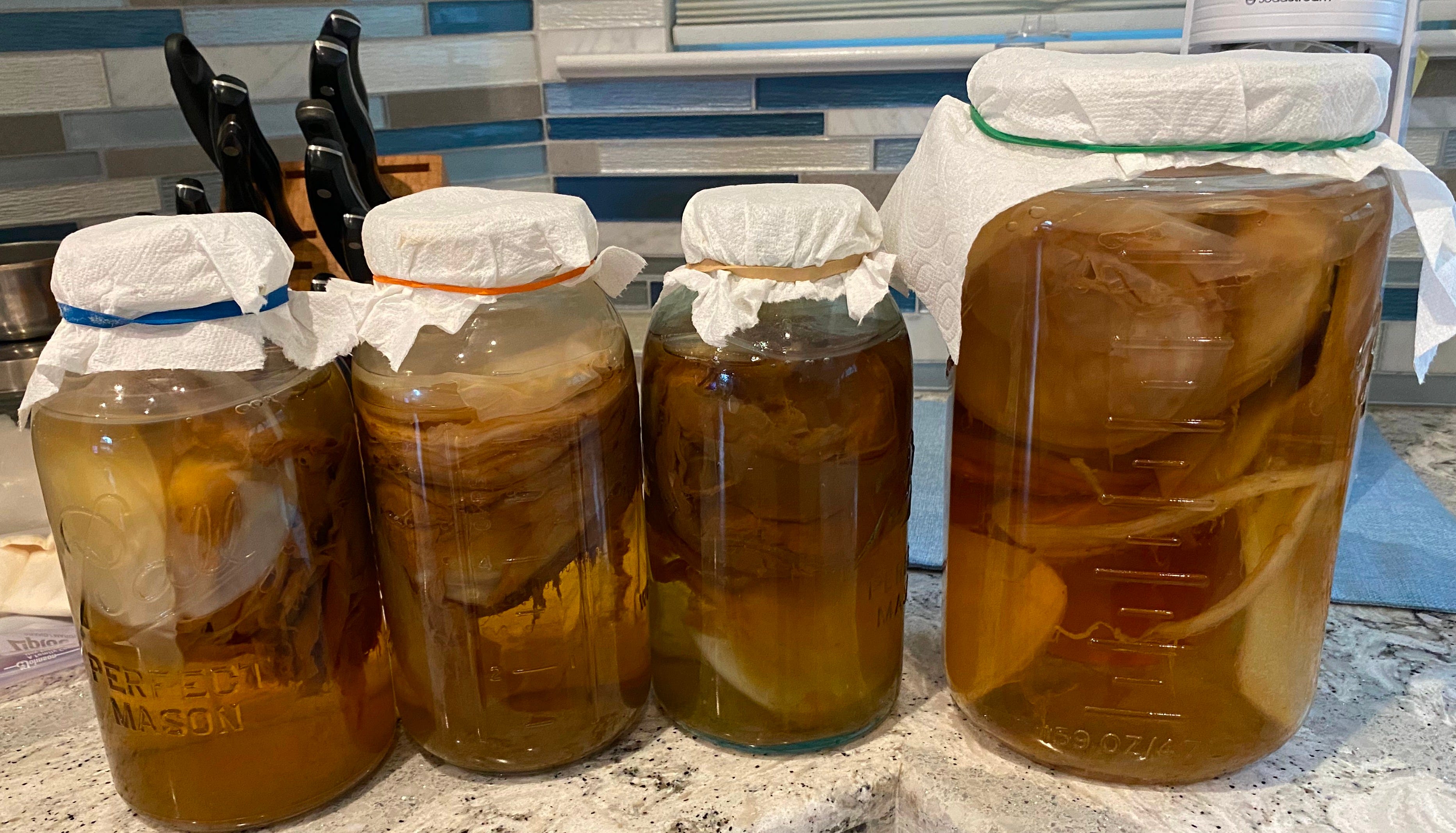
Fermented foods contain healthy bacteria naturally (e.g., kombucha, kimchi, sauerkraut, miso)
When it comes to probiotic supplements, be wary. There are currently very few evidence-based situations that call for a probiotic supplement.
There is no one best probiotic food. Instead, I suggest consuming a variety of probiotic sources, especially when these prebiotic foods are regularly included in your diet.
(If you aren’t confused enough, there are also postbiotics, which is a term for the beneficial compounds produced by healthy gut microbes after they digest prebiotic fibers. This term has become more widely used by supplement companies to sell postbiotic formulations.)
My recommendation is to focus on consuming a variety of probiotic and postbiotic foods throughout your day and week. Future research will likely suggest a more individualized way to support your microbiome, but in the meantime, variety is your best bet.
While pre- and probiotics are the way to support the beneficial bacteria within your microbiome, there are also ways to decrease the survival of not-so-beneficial microbes: limiting highly processed foods, added sugars, and alcohol.
The amazing thing is that the composition of the microbiome can shift in just a few days based on what you eat (or don’t eat). So there is no time like the present to start taking better care of your gut.
Let’s Talk: Jana Wong and Refill Madness
I spoke with Jana Wong, owner of Refill Madness Sonoma. Jana’s shop is dedicated to reducing single-use plastic waste by offering refillable bath, body, cleaning, and household products.
It’s simple:
Bring your refillable containers (or grab a free extra from the shop)
Choose your product(s) and let Jana and her team fill up your containers
Feel great about reducing landfill waste!
Here’s What I’m… Planning in 2026!
More to come, but please keep an eye out for exciting Insight into Health programming coming to Sonoma Valley and beyond:
Sonoma Community Center - Talk & Taste (Registration for Jan 10th now open!)
Vintage House, Sonoma
Brannon Center, Calistoga
Thanks for being here,
~Allison
Please remember to send your questions and topic inquiries to insightintohealth@gmail.com!