


October is Breast Cancer Awareness Month, and the pink ribbons, balloons, shirts, and pom-poms remind us that, regardless of gender, breast cancer can affect any of us.
I recently learned that breast cancer was one of the first cancers to be championed by patient advocacy and awareness groups. Their work has raised money and awareness, and has surely played a role in how far breast cancer detection and treatment have come in my lifetime.
The trick with science is getting information out of the lab and the medical conferences and into the hands of us everyday folks, so we can all be better informed about what we know, what we don’t know, and the role we can play in our own health.
In that spirit, today I’m sharing three resources that have helped educate me, both as a person and as a clinician:
The evolution of breast cancer detection and treatment
Breast density and patient advocacy
Modifiable risk factors for breast and other cancers
I hope you’ll take the time to explore and share them with others to help spread the word.
The Evolution of Breast Cancer Detection & Treatment
This two-part conversation on the Healthy Dialogue podcast from the JAMA (Journal of the American Medical Association) Network moved me from feeling paralyzed by the “1 in 8 women will get breast cancer” message I’ve been hearing — and fearing — for decades to a sense of hope.
Yes, it’s a conversation meant for doctors, but it’s approachable enough to help you better understand the language, landscape, and how far we’ve come in breast cancer research.
What We All Need to Know About Breast Density & Patient Advocacy
I had my first mammogram two years ago and was relieved when my report came back “clear.” What nobody told me is that a mammogram’s accuracy depends heavily on breast density: the denser the breasts, the less accurate the screening.
What!?! This seems like information I should have known, or at least been told when I crossed into mammogram land. Especially since the fine print of my most recent report did say I have dense breasts… and then left it at that.
I’ve since learned that dense breasts make cancer harder to see on a standard mammogram, and they also slightly raise the risk of breast cancer. Since 2024, mammogram reports have been required to include a note about breast density, but I never had a conversation with my healthcare team about what that might mean for me.
If your report says you have dense breasts, ask your provider whether additional screening is right for you.
I’m so thankful for this deep dive into mammograms, breast density, and patient advocacy from the We Can Do Hard Things podcast.
Please share this. Pretty please.
Modifiable Risk Factors for Breast and Other Cancers
For so long, chronic diseases like cancer and dementia have felt like looming threats we are helpless against.
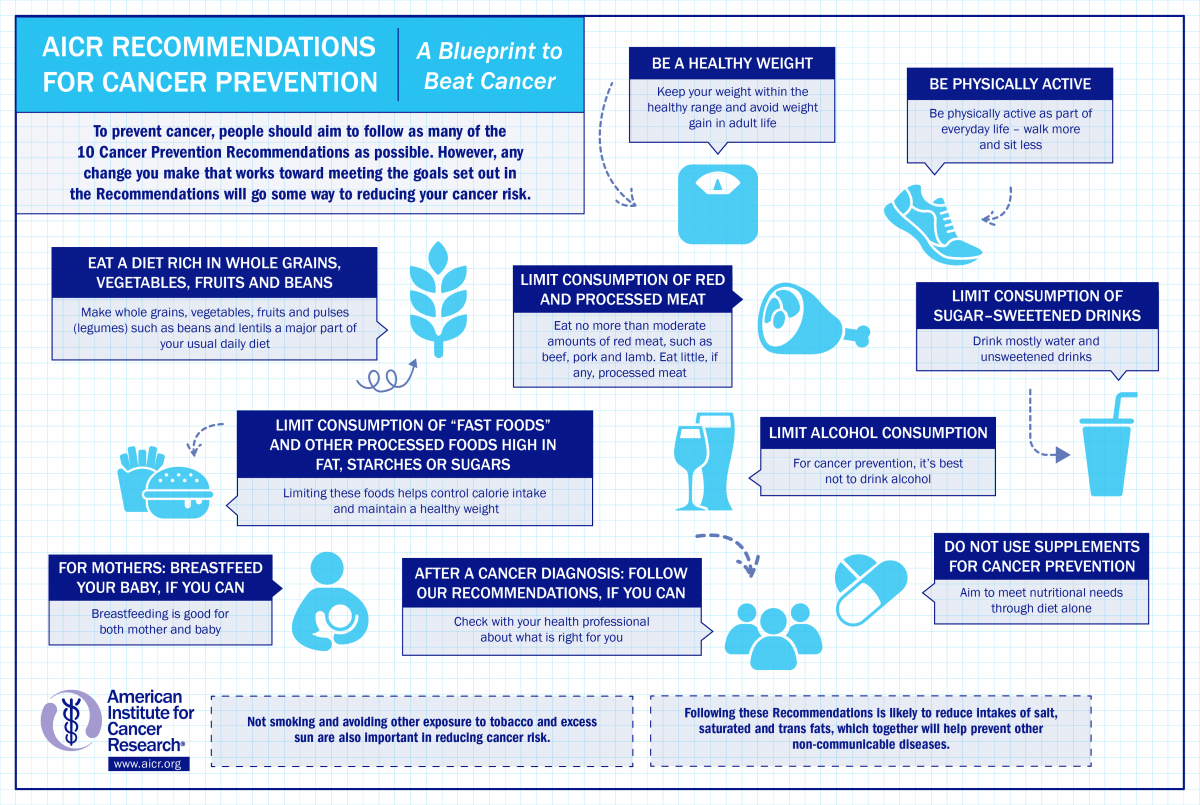
But we now know that modifiable lifestyle factors are linked to roughly 30% of breast cancers and about 40% of all cancer cases in the US.
Modifiable factors mean they’re something we can influence. I don’t know about you, but that helps me feel a little less helpless.
So what are these factors? For breast cancer, the big three are alcohol, excess body weight, and physical inactivity. Across all cancers, the usual suspects include smoking, nutrition, movement, and more.
Check out the American Institute for Cancer Research for more on cancer prevention and survivorship.
We’ve come a long way, and we still have a way to go. The next hurdle is spreading the word, and I’d be honored if you’d help by sharing this piece.
Listen to Insight Into Health!
Podcast:
Check out my latest podcast episode with my swim friend and board-certified gastroenterologist, Dr. Robert Elsen:
22 — Digestive Health Red Flags

I was joined by my swim friend and board-certified gastroenterologist, Dr. Robert Elsen. Dr. Elsen has 35 years of clinical experience helping patients with all aspects of digestive health, including colon cancer screening, inflammatory bowel disease, irritable bowel syndrome, chronic acid reflux, and liver disease.
Radio Show:
If you missed Insight Into Health live on KSVY 91.3 radio on Monday at 7 pm PT, check out the latest recording where I spoke with Pat Coleman, Volunteer Coordinator with Today & Together, a Sonoma-based day program for older adults with dementia or other care needs:

Thanks for being here,
~Allison
This information is meant to educate and inspire, but is not medical advice. Please consult your healthcare team to determine what is most appropriate for you.